How Streaming Platforms Changed Entertainment Consumption
How streaming platforms transformed entertainment consumption by transforming how people watch movies, TV shows, music, and live content anytime.
Imagine it is a Friday night in the 1990s. Your family drives to the local video rental store, hoping the movie you want is not sold out. If you miss your favourite TV show at 8:00 PM, it's gone. For decades, watching anything required planning around someone else's schedule.
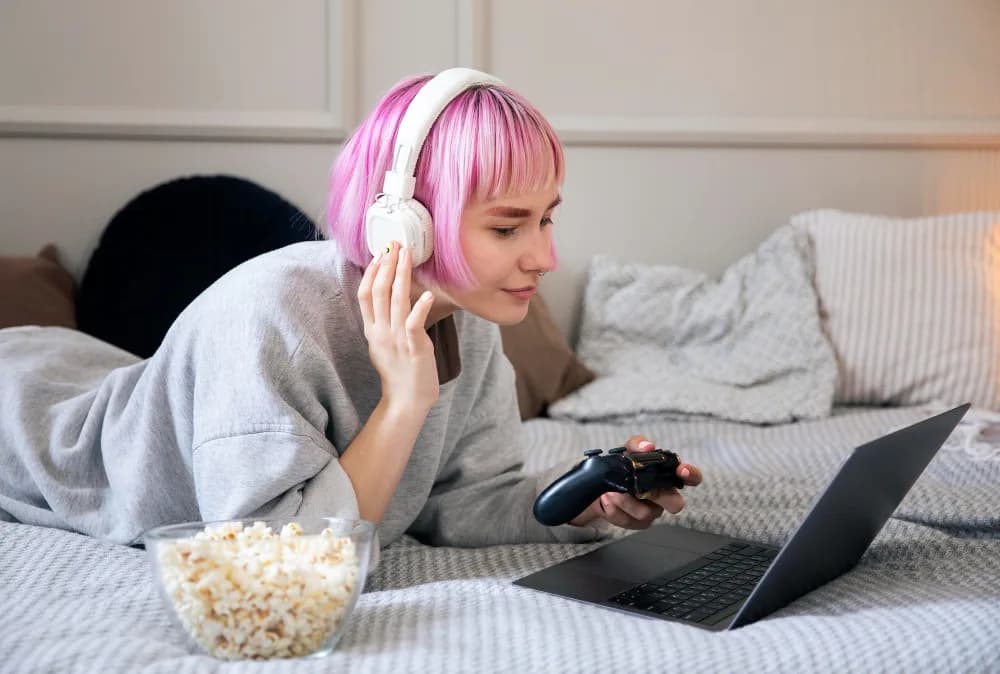
Now, fast forward to the present. You can lie in bed and instantly stream thousands of shows and movies right from your phone. The video stores and TV schedules are gone now; you can easily binge an entire season in a single weekend.
This is How Streaming Platforms Changed Entertainment Consumption. Thanks to high-speed internet and smart technology, we have gone from passive viewers who watched whatever was available on TV to consumers who control when, where, and how they access entertainment.
What are Streaming Platforms?
A streaming platform is an online service that lets you play videos, movies, shows, and music on demand without needing to download them first.
Unlike traditional files that you have to download entirely to your computer or phone before opening them, streaming works by sending content in a continuous, live stream of data. As long as you are connected to the internet, you can hit play, and the video starts right away.
Examples include:
Subscription Services: Services like Netflix, Disney+, and Amazon Prime Video let you pay a monthly subscription fee to watch their entire collection of shows and movies completely ad-free.
Video Sharing and Creator Platforms: Platforms like YouTube, where anyone can upload video content, and users watch for free with ads.
The Shift from Traditional Media to Streaming
In the past, traditional media like cable television, satellite TV, and movie theatres controlled what you watched and when you watched it. If your favorite show aired at 8:00 PM on Tuesday, you had to be in front of your TV at that exact time or miss it entirely. Audiences were forced to plan their evenings around network schedules and sit through endless, unskippable commercial breaks.
Streaming completely changed the game by giving you total control over what you watch. Instead of waiting a week for the next episode, you can watch anything anytime, and pause or rewind whenever you need to. It also frees you from being stuck in one place; you can easily switch from your living room TV to a tablet in bed, or to your phone while you travel.
This change has caused millions of households to cancel their traditional cable TV entirely, a trend known as cord-cutting. In many places, streaming now makes up a massive chunk of daily TV viewing time. By offering giant, ad-free libraries at the touch of a button, streaming has left traditional TV networks behind and permanently changed how the world watches entertainment.
Impact on Content Creation
Binge-Watching Format: Because streaming apps usually drop a whole season in one go, writers don't have to worry about planning for commercial breaks or recapping what happened last week. They can focus on telling a deeper story that flows like one giant movie.
Global Audiences for Local Stories: Today, global streaming networks can translate, subtitle, and launch a show worldwide on the same day. This has allowed local productions such as Squid Game from South Korea and Money Heist from Spain to become global phenomena.
The Creator Economy: By stripping power from old-school gatekeepers, YouTube has proven that compelling ideas beat out multi-million dollar studio budgets. Independent creators now have the tools to stream high-quality content straight to the world, turning the indie scene into one of entertainment's biggest driving forces.
Data-Driven Production: Streaming platforms use viewer data to see exactly which genres, storylines, and formats people love most. Production companies then use these insights to approve new scripts and fund specific ideas, which removes a ton of the financial risk from creating a new show.
Niche Content Exploration: Traditional TV networks had to focus on broad, mainstream appeal to get high ratings from a general audience. Because streaming platforms rely on global subscriber bases, they can fund unique, experimental, and hyper-targeted projects that would have never found a slot on prime-time television.
Conclusion
When you look back, streaming did not just swap out our old cable boxes and VCRs; it totally flipped the script on how we live our lives around entertainment. We went from scheduling our weeks around a single TV episode to having basically every movie and show ever made available on any screen, anywhere, at any exact moment.
Putting the remote completely in our hands has made watching TV personal, global, and completely instant. No matter how technology changes in the future, one thing is for sure: the days of sitting around waiting for your favourite show to come on are gone for good.
Recommended For You
View All
OPD Cover Full Form in Health Insurance: Meaning & Benefits
Learn the OPD full form in health insurance, what OPD cover means, its benefits, coverage, claim process and key factors to check before buying.
KYC Full Form in Insurance: Rules, Documents & Process
KYC full form in insurance is Know Your Customer. Learn about KYC rules, required documents, verification process, benefits, and key requirements.
OD Full Form in Car Insurance: Coverage & Calculation
Learn the OD full form in car insurance, what Own Damage cover protects, how OD premium and claim amounts are calculated, and how OD differs from third-party insurance.